


CLICK TO BOOK

MATCH YOUR MARE
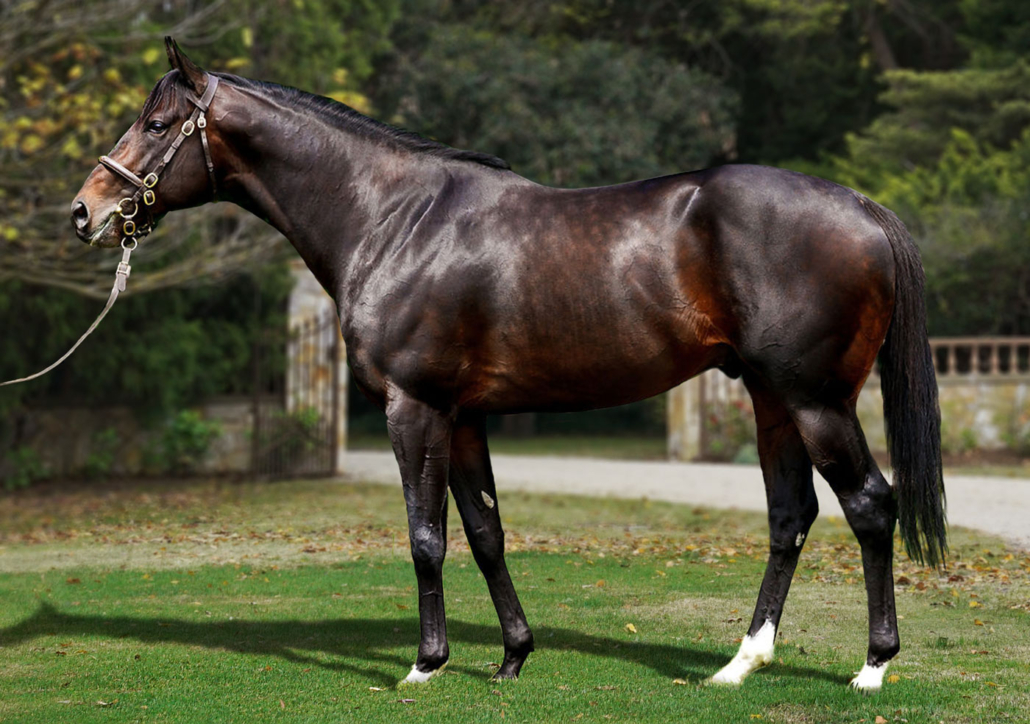
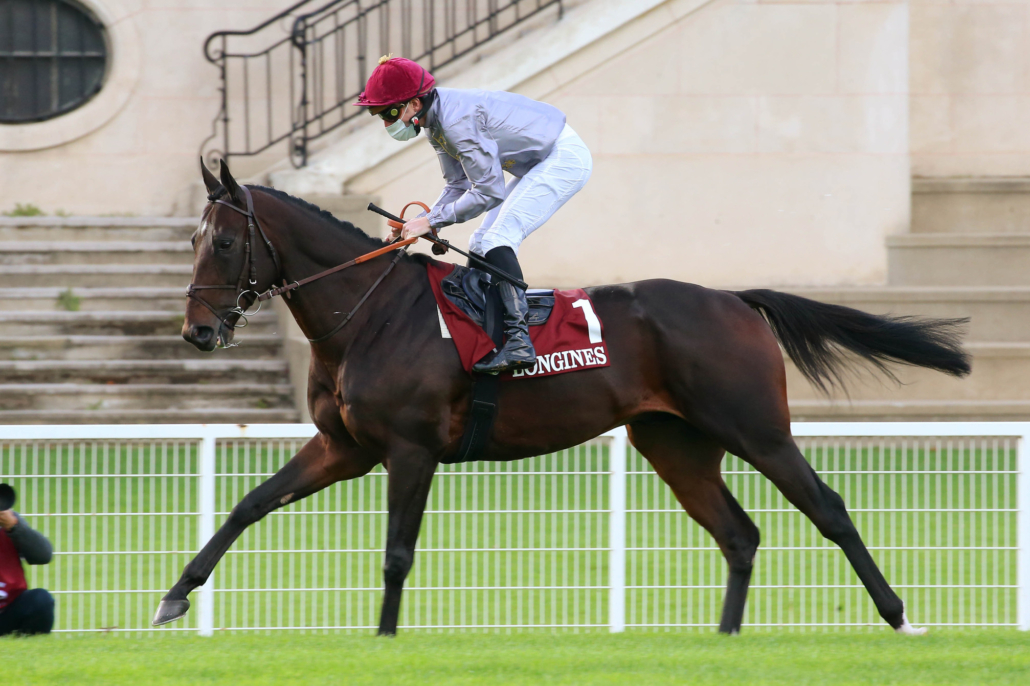
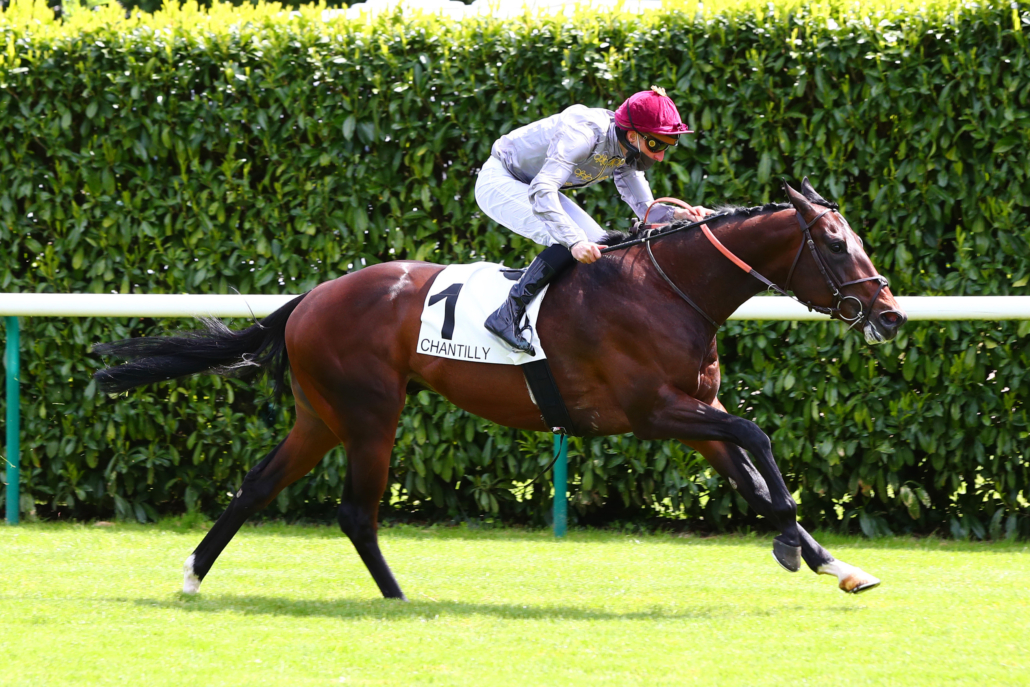
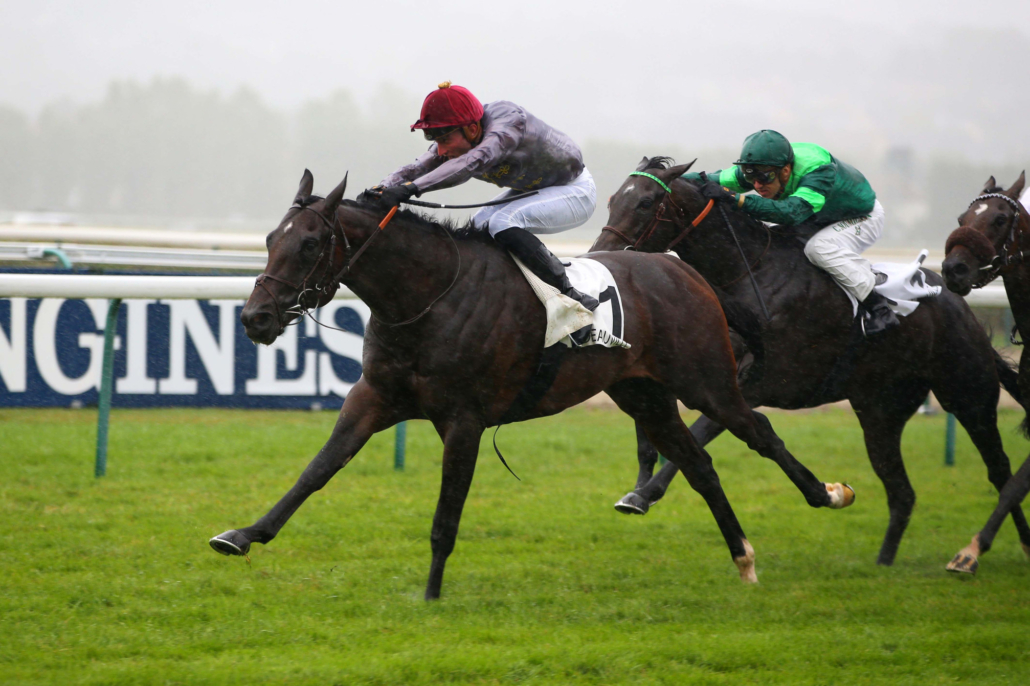
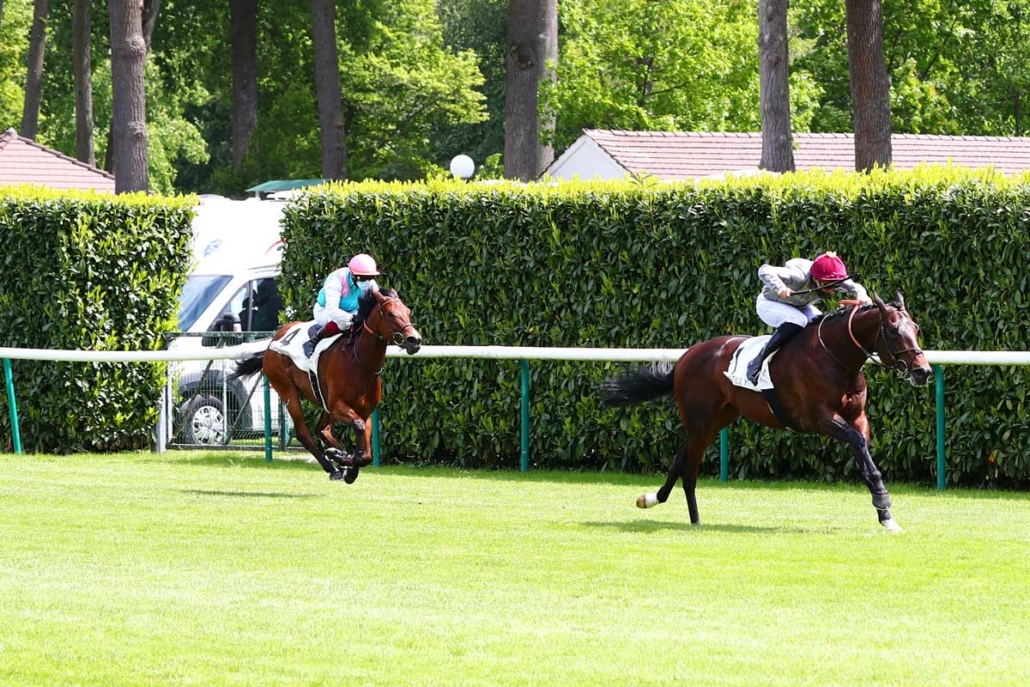
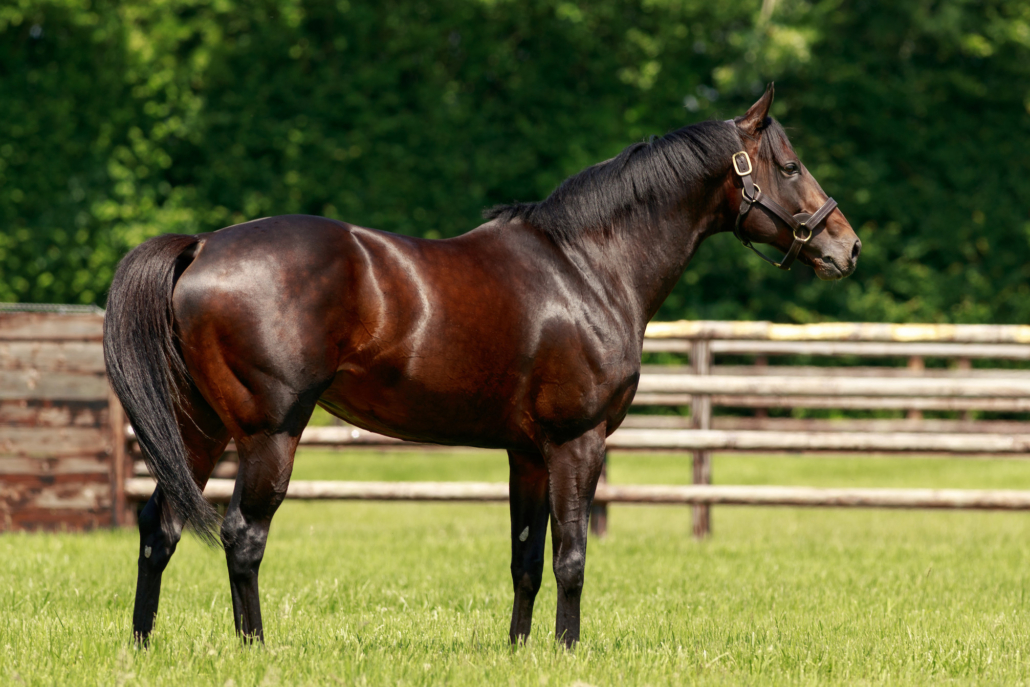
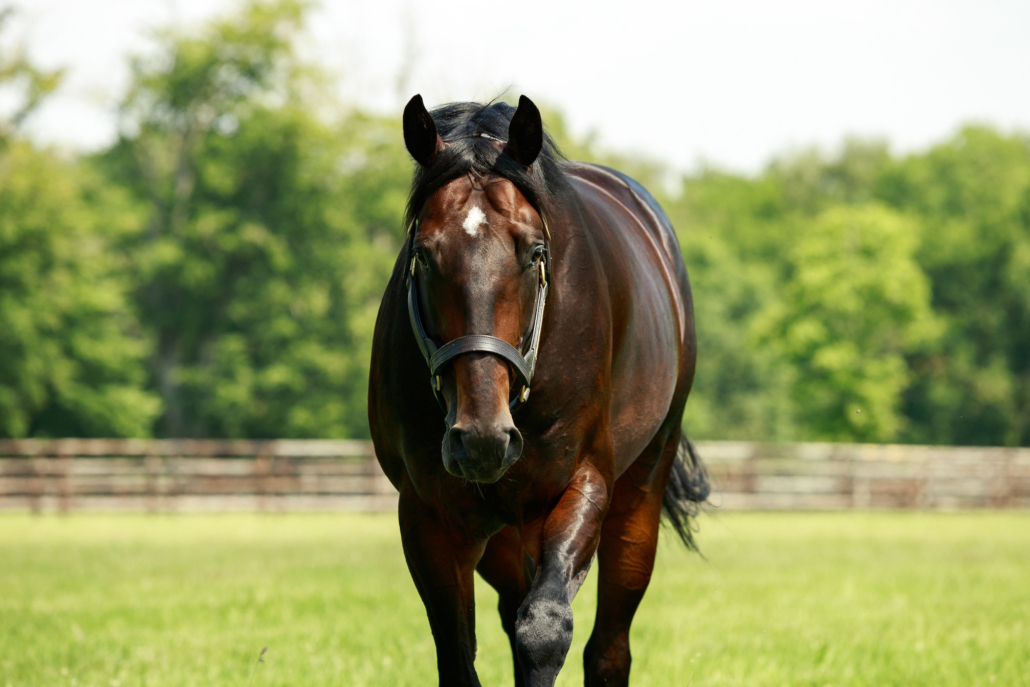
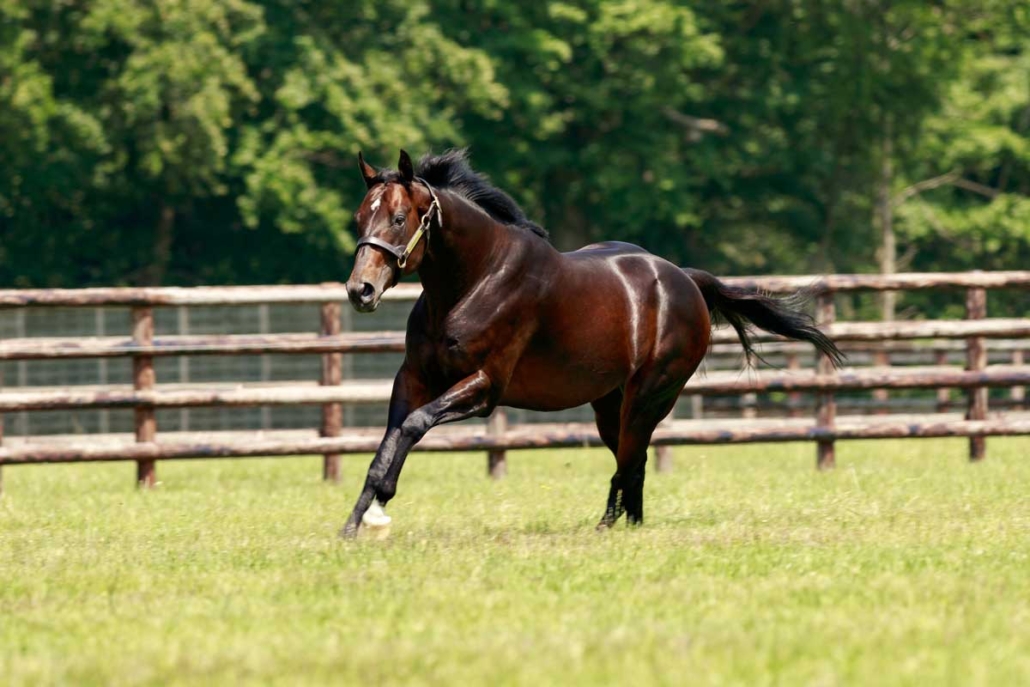
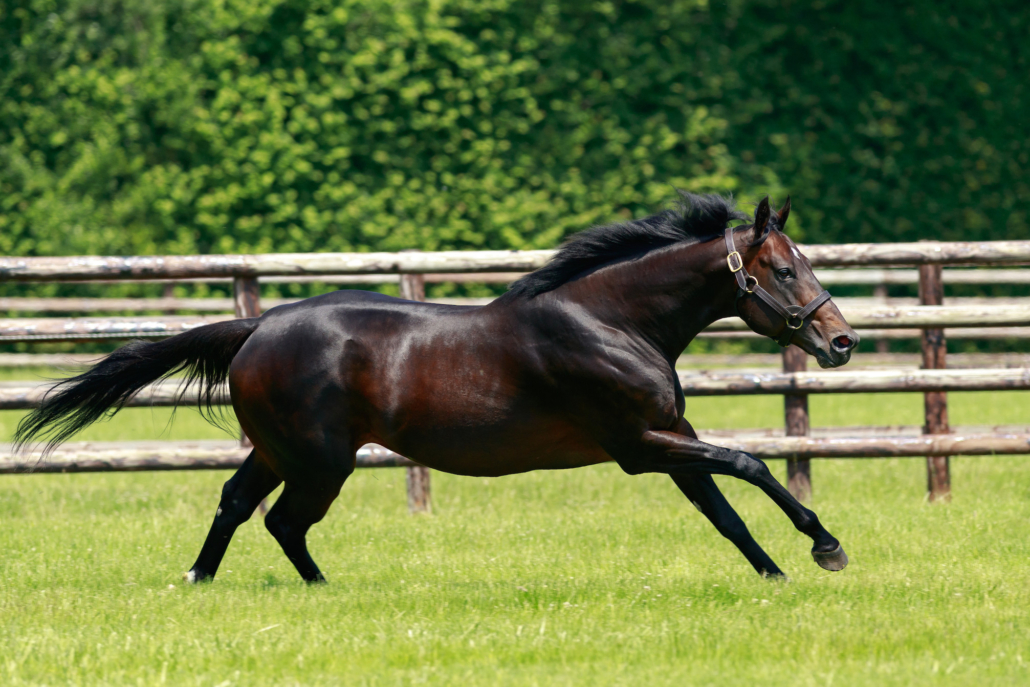
WOODED
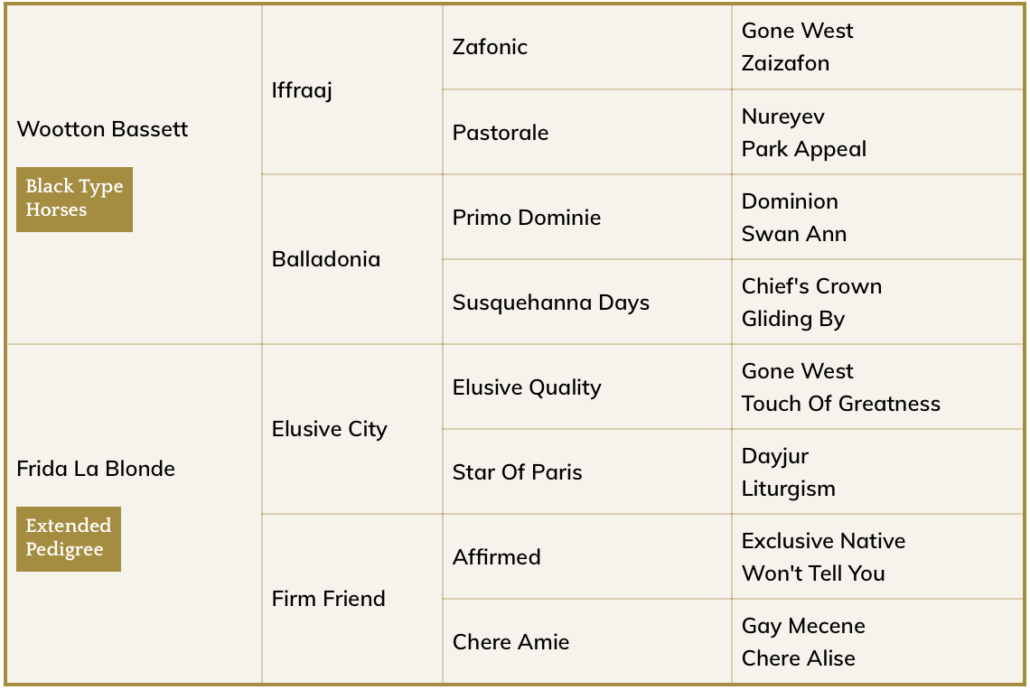
Wootton Bassett x Frida La Blonde
Bay – 2017 – 16.2 hh
2025 Service Fee: $16,500 (inc GST)
Race Record
At 2-years-old, in 4 runs
-
1st Prix de Tour en Bessin Deauville, 7f .1400m
-
2nd Prix la Rochette Gr.3 ParisLongchamp, 7f . 1400m
-
2nd Prix Charles Pichegru Dieppe, 7f . 1400m
-
3rd Prix Thomas Bryon Jockey Club de Turquie Gr.3 Saint Cloud, 7f . 1400m
At 3-years-old, 5 runs
-
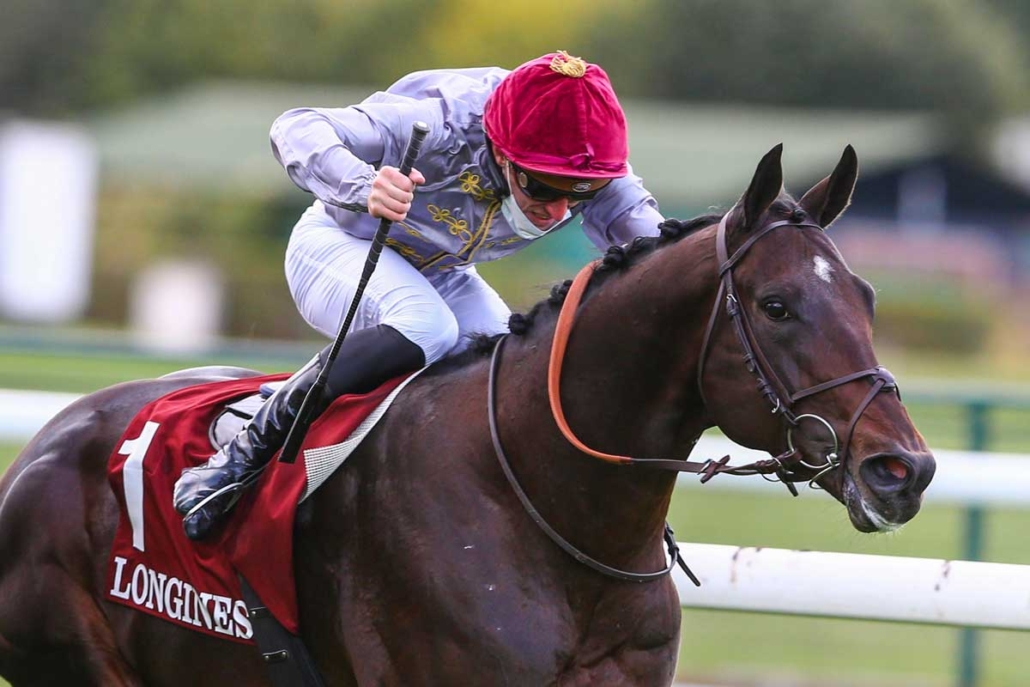
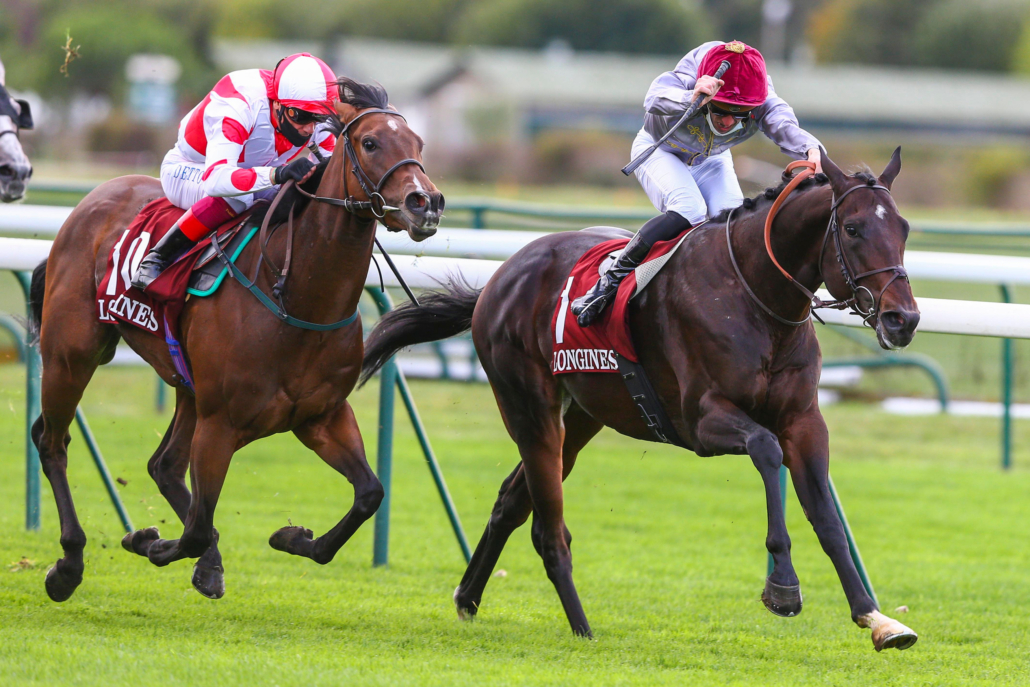
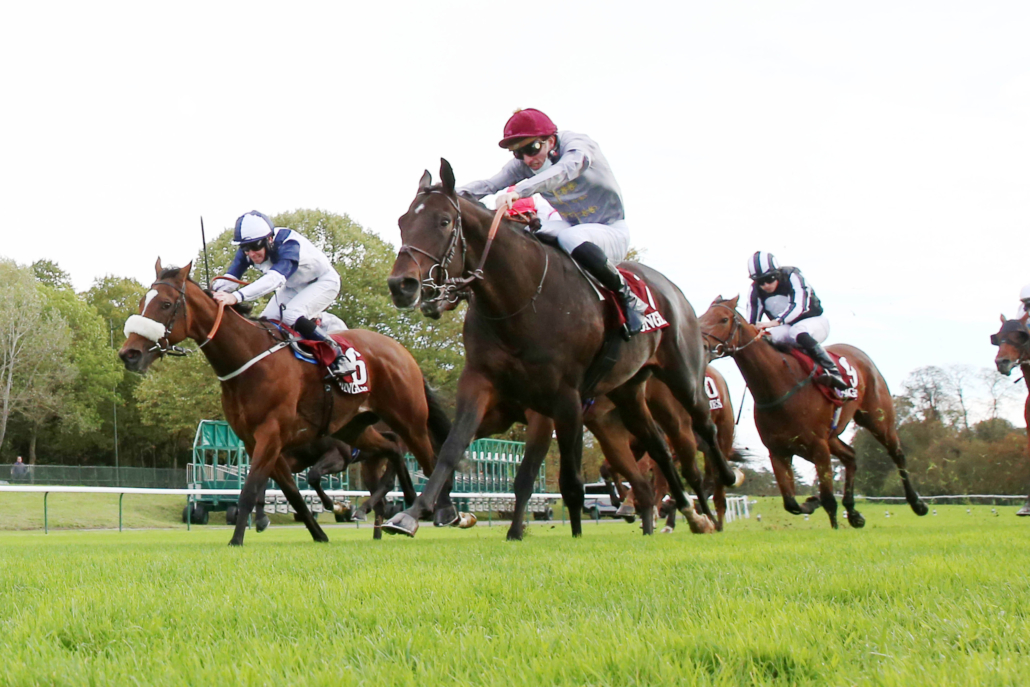
1st Prix de l’Abbaye de longchamp Longines Gr.1 ParisLongchamp, 5f . 1000m
-
1st Prix Texanita Gr.3 Chantilly, 6f . 1200m
-
2nd Qatar Prix du Petit Couvert Gr.3 ParisLongchamp, 5f . 1000m
-
4th Qatar Prix Jean Prat Gr.1 Deauville, 7f . 1400m
PROMO
PEDIGREE
NEWS
GALLERY


Race Record
Sales Results
Horse Not found
Black-type horses
Horse Not found
Stud Summary
Horse Not found

Written by Dane McLeod
Rising costs are hitting breeders harder than ever, with service fees, feed, and interest rates stacking up fast. As pressure builds, some studs are beginning to rethink how they support breeders beyond the mating shed. Swettenham Stud’s new Breeder Protection initiative offers a glimpse at what that shift might look like – and raises a bigger question: is this the start of a broader change in how risk is shared across the industry?
Across Australia, the rising cost of groceries, fuel, power, childcare and housing has become the backdrop to daily life. Interest rates are biting. Disposable income is evaporating. And decisions are being made with increasing costs in mind.
It’s no different in the breeding game, except the stakes are measured in service fees and seasonal cashflow, and the costs of production are really adding up.
As TTR readers know well, breeding decisions are made long before any return is seen. A service fee paid in the autumn of 2025 may not yield income until the yearling sells in 2028, and even then, only if the foal survives, thrives, and finds a buyer in a selective market.
It’s cashflow blackjack and for many breeders in the current cost climate, the goal is simply avoid going backwards.
Swettenham’s new risk policy
That’s why the quiet introduction of a new initiative by one of Victoria’s leading stallion farms sparked interest. Swettenham Stud’s Breeder Protection scheme offers breeders financial cover in the early months of a foal’s life, a move that also reduces the need for costly neonatal insurance policies.
It’s a small but potentially meaningful shift: support that kicks in after the service fee is paid.
But is it a one-off gesture? Or a sign that studs are starting to think how costs are adding up for breeders?
“There are risks associated with breeding,” says Swettenham Stud’s General Manager, Sam Matthews. “And we want to make sure breeders have as little risk as possible.”
As Sydney bloodstock agent Will Johnson recently wrote in an opinion piece on his website, the system might be overdue for an overhaul.
“The cost of production has climbed steeply: service fees, agistment, wages, feed, vet, insurance… it all adds up.”

Will Johnson | Image courtesy of The Image is Everything
Those escalating costs are pushing breeders to the brink, particularly as the market top-end focuses on a narrow slice of horses: early-running types with commercial shine and fashionable pedigrees. For many, the margins are simply disappearing.
“We’ve become an industry of two gears,” Johnson wrote. “The ‘haves’… and the ‘have-nots’, smaller breeders and trainers, are facing a squeeze.”
In that context, any step toward risk-sharing isn’t just helpful, but signals a mindset shift. A quiet rebalancing of where responsibility sits in one of the most unpredictable businesses in sport.
The move is designed to provide breeders with a little more security during those vulnerable first three months.
Developed to offer financial cover in the event of misfortune, the initiative is designed to take away the risk of bad-luck for breeders navigating the unpredictable early stages of foal development.

Sam Matthews | Image courtesy of Swettenham Stud
Sam Matthews, Swettenham’s General Manager – Operations and Nominations, explained the motivation behind the move.
“We want to be able to take away some risk for breeders. We did this with a couple of people last year that had a bit of bad luck.”
Many things can go wrong for breeders, including issues at birth that can lead to death, foals can often be easy targets for early sickness, or accidents can happen. Breeders’ do need a bit of support if this occurs, and they are struck by misfortune or bad luck. The industry benchmark is that around 6 per cent of foals will die from natural causes or accidents before they reach yearling sale age, so it’s not a small risk to get them safely through that early period.
“It’s expensive to be unlucky. If something goes downhill, it’s a good sense of cover for breeders. In a tough market, people should not be out of pocket from a bit of bad luck.”

Unlike standard insurance, the Breeder Protection initiative is built directly into Swettenham’s service model – offering security within that early time period.
“This is separate to insurance and is the case for all stallions at Swettenham.”
“It wouldn’t matter if we had a stallion standing for $300,000, we are making sure people are looked after and we are protecting them.
“Adam (Sangster) is very strong on looking after people and breeders and was keen to formalise this and put it into each individual contract.”

Adam Sangster and Sam Matthews | Image courtesy of Swettenham Stud
How are initiatives helping out breeders?
While the top end of the Australian breeding and bloodstock market continues to perform with remarkable strength, the commercial reality is far less forgiving for smaller players, and many are being squeezed out.

Foals at Swettenham’s paddocks | Image courtesy of Swettenham Stud
Australia’s thoroughbred foal crop has declined steadily for more than thirty years. It reached a peak of 23,697 in 1989. In 2024, just 11,666 foals were reported, with late registrations expected to lift that number to around 12,000, potentially the lowest figure since 1977.
Much of this long-term drop is attributed to a more commercially efficient industry. The numbers support this: since 2000, the foal crop has decreased by 30 per cent, yet the number of active racehorses has fallen by less than 4 per cent. Breeding, in other words, has become leaner and more targeted.
But there’s growing concern that the foal crop may continue shrinking. While overall averages and aggregates held up at historically strong levels at the yearling sales, the lower end of the market is facing major challenges – pain felt particularly aggressively due to the rising costs of production.

Table: Yearling Sale results for Australia and New Zealand in 2025
That pain was most evident at sales tailored to smaller commercial operations. For many breeders, prices simply didn’t meet costs. Some are scaling back their breeding numbers, many have stepped away altogether. This is also reflected with the number of stallions at stud shrinking from 1241 in the year 2000 to 440 in 2024.
One of the contributing factors is the rise of digital trading platforms, which have reshaped how trainers and syndicators source horses. These online sales are particularly appealing to those operating on tighter budgets or unwilling to take on the higher risks of yearling purchasing. Why buy a yearling when you can buy into a tried horse whose form is there to be seen for the right price?
It’s not hard to see why. Buyers can assess a horse’s performance with far greater certainty. Form analysts and agents now target sourcing talent through these channels, which enables more profitability opportunities for new owners with much less cost, and risk, in terms of knowing whether their horse can ‘gallop or not’.

Mare and Foal at Swettenham’s paddocks | Image courtesy of Swettenham Stud
In response, studs are being more flexible than ever to attract mares, especially to their freshman stallions. Nomination fees are increasingly negotiable. Bulk deals, foal shares, and creative incentives have become part of the toolkit.
Because at the heart of the issue is one simple truth: for many breeders, bad luck has become too costly to carry. And without meaningful ways to reduce risk and increase certainty, more of them may choose to leave the game altogether.
Thinking outside the box
These innovative ideas aren’t entirely new for the studs across Australia, and Swettenham Stud have been particularly proactive in this area, having trialled a number of risk-sharing arrangements in the past.
“About seven years ago, we did a foal share/whole share where breeders could decide up until a few weeks of age whether they wanted to keep the horse, or go into a foal share arrangement.” Matthews said
This earlier program, allowed breeders using selected Swettenham stallions to enter a foal share agreement if desired. Once the foal was born, breeders had 14 days to decide whether to exercise a buyout clause, paying the service fee to retain full ownership, or continue under the shared model.

Mares and foals at Swettenham’s paddocks | Image courtesy of Swettenham Stud
If the breeder chose not to buy out, no service fee was required. The foal would then be raised at a location of the breeder’s choice and offered at public auction, with net proceeds split equally between the breeder and Swettenham. Sales commissions and entry fees were also shared 50/50.
“We did the foal share/whole share for about two years.” Matthews commented, “It gave people the opportunity, if there was a pedigree update, or it was a really nice foal, or the stallion kicked up.
“We have offered a range of different things, including individual payment plans throughout pregnancy,” Matthews added.
“We have worked with individual breeders in ways that assist them, utilised transport plans, and some other small things that have all had some success.
“They have all been implemented to help people out and we have mixed it up and tried a range of different things.”
Other studs have also introduced a range of initiatives, bonuses, and incentives to draw breeders in.
Coolmore Stud launched the ‘Ferrari Bonus’ when Justify (USA) first entered stud in Australia, offering a luxury Ferrari to the breeder of the first of his progeny to win a selected feature race at two or three. Newgate and Aquis have also experimented with race bonuses for breeders.
Pushing for creative solutions
While the Breeder Protection initiative has benefited from team input, Matthews is quick to highlight the key figure behind its creation, Swettenham’s principal, Adam Sangster.
“It all stems from Adam (Adam Sangster). He was the one to say, ‘Let’s do something different and find a way to do it.’ At the end of the day, it is his business, his farm, and his money, and he wanted to do this.

Adam Sangster | Image courtesy of Swettenham Stud
“First and foremost he wants to make breeders’ lives easier and help them achieve financial goals” Matthews said.
The market for selling horses across the sales this year has been very selective, aside from the top end of the market. It has tended to be tough for breeders in the softer middle market of sales – likely a reflection of economic challenges (particularly mortgage interest rates) limiting disposable spending on yearling shares.
“I can’t see this going away soon, and it’s purely to do the right thing and give support to breeders’ no matter who they are. It could be a billionaire or a breeder of one mare, it’s the same policy for everyone.”

Positive early response from clients
Although the Breeder Protection initiative has only been recently launched, the early response from breeders, particularly smaller operators has been positive.
“Swettenham were keen to make everyone aware. There is no hidden clause, and we want people to know that,” Matthews said.
“We have had very good response, particularly from smaller breeders, I think they have seen it and have been very receptive. I think with awareness the reception will be even stronger.

“We just want everyone to be aware, you never know, it could be a line-ball decision on breeding the mare or on what stallion a breeder wants to go to and this could help us get over the line.”
Breeding thoroughbreds has always come with risk – but in a tightening economy, the stakes are higher, and the margins slimmer.
Initiatives like Swettenham Stud’s Breeder Protection scheme may not rewrite the rulebook overnight, but they represent something deeper: a willingness to evolve, to share risk, and to give breeders more than just a service fee and a handshake.
Because if the breeding model adapts to support its base, the industry as a whole stands to grow stronger.
We want to hear from you!
Have you introduced new models? Stepped back? Adapted your business model to make the numbers work?
Email us at editorial@ttrausnz.com.au and we’ll share the most insightful responses in the next article in this series.
Because the more ideas we put on the table, the better chance we have of building a system that works, for everyone.
Original Article: https://www.ttrausnz.com.au/edition/2025-05-20/its-expensive-to-be-unlucky-new-initiative-helps-breeders-shoulder-the-risk-in-a-time-of-rising-costs
 https://www.racing.com/news/2025-04-06/news-contenders-caulfield-guineas-a-mcgaw-option
Emma-Lee and David Browne feel compelled to consider the Group 1 Caulfield Guineas as an option with McGaw, but his early season form in spring will dictate whether he goes down that path.
“Whether we stick to the sprints or push out to the Caulfield Guineas is a decision we will make after he has had a couple of runs in the spring,” Emma-Lee Browne said.
The undefeated McGaw was sent to the paddock after his meritorious win in The Showdown, where he overcame an outside barrier draw to win the $1 million event at Caulfield.
“When you’ve got a two-year-old who has done what he has, you definitely have to put in a Caulfield Guineas nomination,” Browne said.
“On pedigree, he might be able to run a mile, as his dam had a miler’s pedigree, but we will see how he is going early on in his preparation.”

She added that McGaw, who is by I Am Immortal, will come back and target early three-year-old sprint races such as the Vain and Danehill Stakes.
“He’s been in the paddock and he’s enjoying spelling and we’ll get him back for the early three-year-old races and we will see how he is going in those races and take it from there,” Browne said.
According to Browne, Hong Kong interest in the gelding might have waned after any prospective purchasers saw the number of happy owners there were in the Caulfield mounting yard after The Showdown.
View the full article here:https://www.racing.com/news/2025-04-06/news-contenders-caulfield-guineas-a-mcgaw-option
 (Image: Racing Photos)
Puissance De Lune filly Tel Aviv could make the leap from maiden to Group 1 grade in her first racing campaign, after scoring comfortably at Mornington on Sunday.
The Ciaron Maher-trained galloper was desperately unlucky last start at Hawkesbury, but Ben Allen took luck out of the equation in her first Victorian start.
Tel Aviv ($1.80) went straight to the front and never looked in danger throughout the 2050-metre circuit, keeping on for a soft win on the line.
“On paper, she was the best horse in the race, and I rode her like that,” Allen said.
“Once we hit the crossing, she spat the bit out and relaxed nicely. I was more worried about getting her around the bend – she’s got a big stride.
“She was getting a bit unbalanced, but she was too good today.”
With her maiden comfortably out of the way, a sharp class rise could be on Tel Aviv’s horizon, with the 2000m G1 Australasian Oaks and 2500m G3 SA Fillies’ Classic both realistic options.
Feeling his mount will race better on a bigger track and with horses to follow, Allen said a trip west could be worth a shot with the Brae Sokolski-bred filly.
“When you’re winning, that’s all you can. She didn’t beat much today, but the way she did it was nice,” he said.
“She’ll probably be better on a bigger track, and with a few to follow, she was a bit green in front.”
“Adelaide’s a big, wide-open track, and if anyone’s going to get her there, it’ll be Ciaron.”
View the full article here: https://www.racing.com/news/2025-04-06/news-review-tel-aviv-060425#
Resolute Racing’s Woodshauna gives Al Shaqab’s Wooded a first Group 1 winner
Woodshauna provided his sire Wooded with a first Group 1 winner when springing a surprise in the Prix Jean Prat at Deauville. The Francis Graffard-trained three-year-old was carrying the colours of John Stewart’s Resolute Racing for the first time, with the operation having bought the colt for £625,000 from Al Shaqab at last month’s Goffs […]